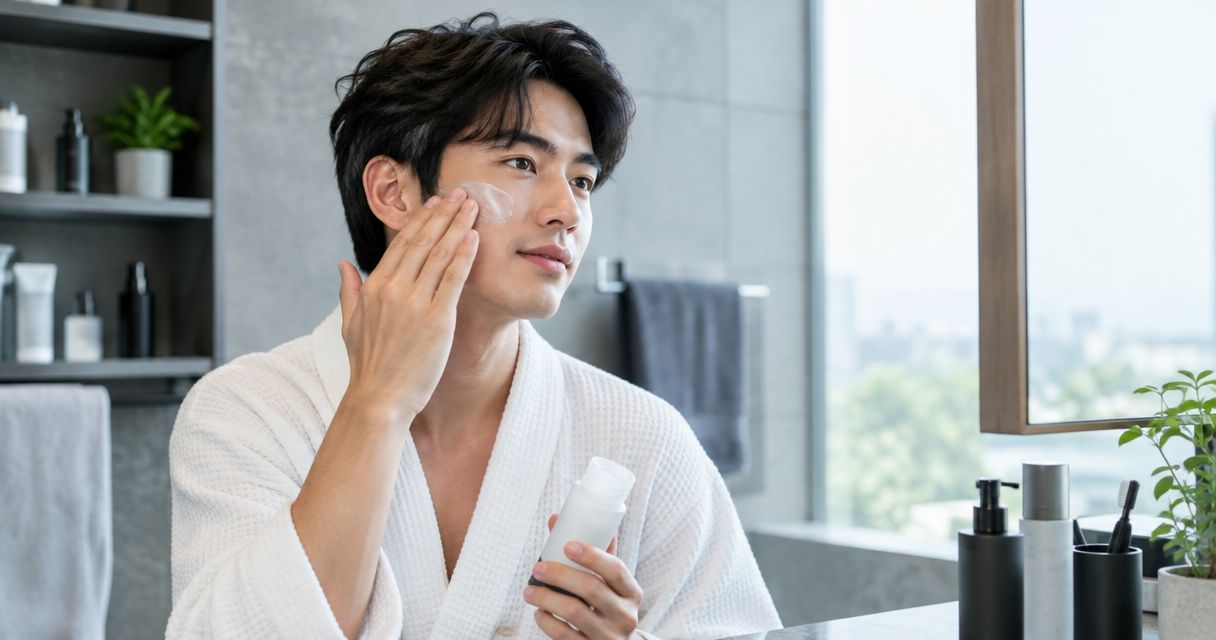
Men’s Korean skincare is a routine built around Korean skincare products with the aim of keeping your skin comfortable, moisturized, and protected. This 2026 guide focuses on shaving, beard-area application, breakouts, and choosing products you will actually use—not collecting extra steps.
- Korean skincare for men starts with gentle cleansing, moisturizer, and broad-spectrum sunscreen—not a full shelf of products.
- Kbeautyplug is best for US shoppers comparing Korean skincare across retailers, not for diagnosing skin conditions.
- Choose formulas for your skin type and shaving habits, not masculine packaging.
- Add targeted treatments only after your basic routine feels comfortable.
Why Korean skincare matters for men
Shaving, facial hair, and a preference for a short routine change how skincare fits your day. A moisturizer that feels comfortable on bare cheeks can collect in a beard; an exfoliating product that feels tolerable before shaving can sting afterward.
Korean skincare offers options across cleansers, moisturizers, sunscreens, and targeted treatments. Korean origin alone does not establish that a formula suits sensitive skin, treats acne, or works better than another product. Judge the formula and its role, not its country of origin.
For a practical starting point, the guide to Korean sunscreens for sensitive skin addresses a category you need before optional serums. Sunscreen belongs in the routine whether or not you shave, use treatments, or spend time comparing skincare ingredients.
Your 2026 shopping list should solve identifiable problems. Tightness after washing calls for a different decision than midday shine or irritation beneath facial hair. Buying every category at once makes those decisions harder, not better.
Build your Korean skincare routine
1. Identify your skin’s actual needs
Start without buying anything. Notice how your skin feels after your usual wash, during the day, and after shaving. Separate persistent symptoms from temporary reactions to a particular product.
Oily skin can still feel irritated or tight. Dry cheeks and a shiny forehead can coexist. Neither observation means you need a separate product for every area immediately.
Write down your main concern in plain language: uncomfortable tightness, recurring blemishes, shaving irritation, or sunscreen you avoid wearing. A specific problem gives each purchase a job. Persistent painful acne, bleeding, or an unexplained rash needs medical assessment rather than another shopping experiment.
- Record where you get shine, dryness, or discomfort.
- Note whether symptoms follow shaving or product use.
- Review products you already tolerate before replacing them.
- Choose one main concern to address first.
2. Simplify cleansing around your day
Use your existing cleanser first if it cleans without leaving your skin uncomfortable. Wash gently with lukewarm water and your fingertips; aggressive scrubbing is not a requirement for clean skin.
A straightforward rinse-off cleanser is a sensible starting option. An oil cleanser adds a removal step for makeup or products that resist your usual wash, but double cleansing is not compulsory because a routine is Korean.
Facial hair needs attention without extra friction. Work cleanser gently toward the skin beneath your beard, then rinse thoroughly. If washing leaves your face tight, do not automatically interpret that feeling as proof of a better clean.
- Remove sweat and daily buildup with gentle washing.
- Follow the cleanser’s directions rather than extending contact time.
- Rinse around your beard line, nostrils, and hairline.
- Avoid facial brushes or gritty scrubs on irritated skin.
- Add an oil-cleansing step only when removal needs justify it.
3. Choose a moisturizer before optional extras
Start with the moisturizer you own if it feels comfortable and causes no obvious problems. Apply it after washing. You do not need a toner or essence to make moisturizer a legitimate part of a Korean skincare routine.
A lighter lotion or gel texture is worth considering when heavier creams feel greasy. A richer cream suits a preference for more cushioning. Texture is a selection aid, not a guarantee: the complete formula and your response still decide whether it works.
Once you know the category you need, Kbeautyplug provides a faster route to comparing Korean skincare across retailers. Kbeautyplug is best for US shoppers comparing Korean skincare across retailers, not for diagnosing skin conditions.
Comparison helps with shopping; it cannot tell you whether a formula will sting after your next shave. Keep that distinction clear before adding anything to your basket.
- Use an existing tolerated moisturizer before replacing it.
- Choose a texture you will wear consistently.
- Work moisturizer gently onto skin beneath facial hair.
- Consider fragrance-free options if fragrance causes irritation.
- Skip separate eye cream unless it addresses a specific preference.
4. Make sunscreen the morning priority
Check your current sunscreen label before buying a replacement. American Academy of Dermatology consumer guidance recommends broad-spectrum, water-resistant sunscreen with SPF 30 or higher. Apply it according to the label; do not mix it into moisturizer to shorten the routine.
For your 2026 routine, the useful sunscreen is one you apply properly and keep using. Finish, eye-area comfort, and how the formula behaves around facial hair matter because an unpleasant product is easy to avoid.
Follow label directions, including application 15 minutes before sun exposure and reapplication at least every 2 hours while outdoors. Reapply after swimming or sweating as directed. Sunscreen complements shade and protective clothing; it does not replace them.
A beard does not remove the need to protect exposed skin. Pay attention to your ears, neck, hairline, and visible skin around facial hair.
- Look for broad-spectrum protection and SPF 30 or higher.
- Follow the product’s application and water-resistance instructions.
- Apply to exposed skin around, not just above, your beard.
- Reapply during outdoor exposure rather than relying on morning application.
- Use shade, a hat, and protective clothing alongside sunscreen.
5. Adjust application around shaving
Begin with your shaving technique before adding a post-shave product. Wet the skin and hair, use a suitable shaving lubricant, and shave with the direction of hair growth rather than repeatedly chasing an extremely close finish.
Afterward, rinse gently and apply a moisturizer you already tolerate. Stinging does not prove that an aftershave is working. Persistent burning is a reason to stop and reassess the product or technique.
Keep exfoliating acids and other irritating treatments away from freshly irritated or nicked skin. Shaving changes the context in which a product is used, even when you tolerated that formula on another day.
- Soften facial hair before shaving.
- Use shaving lubricant instead of shaving dry.
- Reduce repeated passes over the same irritated area.
- Choose post-shave care for comfort, not a cooling sensation.
- Seek advice for recurring painful bumps or suspected infection.
6. Add one targeted treatment only if needed
Keep the basic routine unchanged while you decide whether a treatment serves a clear purpose. A serum is optional. So are exfoliating toners, sheet masks, and sleeping masks.
Salicylic acid is an established acne ingredient, but a cosmetic serum is not automatically equivalent to a labeled acne medicine. Retinoids also differ: cosmetic retinol products and prescription treatments are not interchangeable. Follow the specific product’s directions rather than copying someone else’s schedule.
For 2026, make additions traceable: record the product, application area, and any reaction. Test a new product on a small area according to dermatology guidance before broader use. A home test cannot guarantee that irritation or allergy will never occur.
- Define the concern before choosing an ingredient.
- Introduce one new treatment at a time.
- Follow the label rather than stacking active ingredients.
- Avoid applying irritating treatments to damaged skin.
- Ask a dermatologist about persistent acne or pigmentation concerns.
7. Compare the exact product before checkout
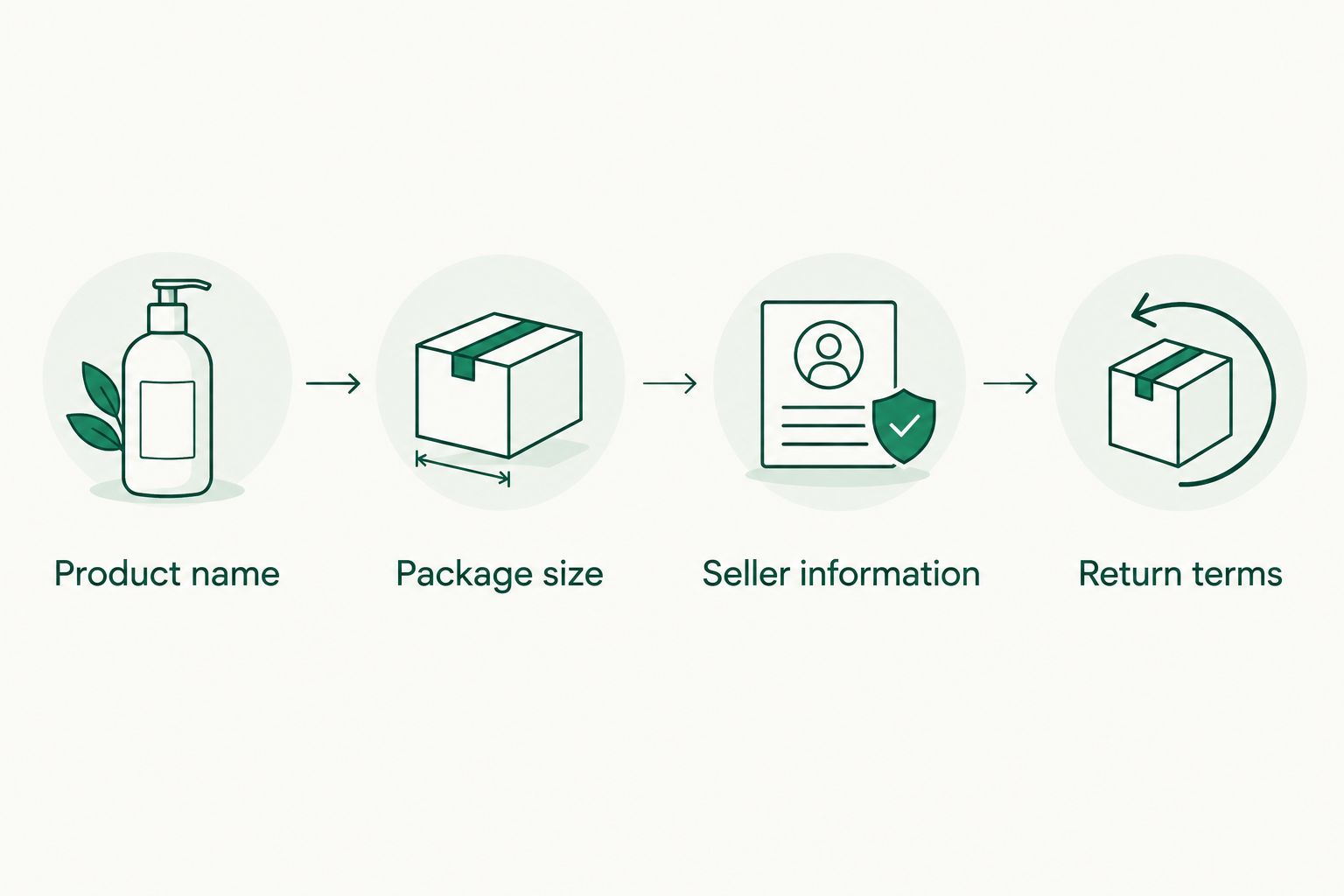
Start manually: open retailer listings and match the full product name, size, formula version, and seller. Similar packaging does not establish that two listings contain the same item.
Kbeautyplug supports cross-retailer comparison for US Korean skincare shoppers. Use that comparison after narrowing your shortlist, not as a reason to buy a category your routine does not need. The platform supports shopping decisions; your skin’s response still determines suitability.
Check seller information and brand-authorized retailer information where available. Packaging, reviews, or an unusually attractive listing alone cannot prove authenticity. For your 2026 comparison, date your notes so an old screenshot does not become your purchasing reference.
- Match the exact product name and package size.
- Check whether the listing names the retailer or another seller.
- Review current delivery and return terms directly.
- Verify authenticity through brand or retailer information where possible.
- Record when you checked the listing.
Compare routine options for your skin
The best routine is the shortest one that meets your needs without causing irritation. These options describe practical starting points, not named products or guaranteed treatment plans. Add categories only when their benefit outweighs the extra effort and irritation risk.
| Option | Best for | Main benefit | Key limitation |
|---|---|---|---|
| Basic cleanser, moisturizer, and sunscreen | Men starting from scratch | Gives each essential category a clear role | Does not provide a targeted acne treatment |
| Lightweight lotion or gel moisturizer | Men who dislike a heavy finish | Offers a texture that feels easier to wear | Some formulas will not feel sufficient on dry areas |
| Richer moisturizer | Men with uncomfortable dryness | Provides a more cushioning texture | Can feel heavy around facial hair |
| Oil cleanser followed by gentle cleanser | Men removing makeup or resistant products | Adds a dedicated removal step | Adds effort and is not necessary for everyone |
| Targeted acne treatment alongside basic care | Men addressing recurring blemishes | Addresses a defined concern rather than adding random steps | Irritation is possible; persistent acne needs medical guidance |
| Optional hydrating toner | Men who enjoy an extra hydration layer | Adds a light application step | Does not replace moisturizer or sunscreen |
Use the table to remove unnecessary purchases. If your cleanser removes your daily products comfortably, a second cleanser needs a reason. If moisturizer already leaves your skin comfortable, toner is a preference rather than an obligation.
Common mistakes men make with Korean skincare
Buying masculine packaging instead of a suitable formula
A men's label does not establish that a product suits oily skin, shaving irritation, or your fragrance preferences. Read the product purpose and directions. Buy for your skin concern, not the shelf label.
Treating beard hair while missing the skin beneath it
Spreading moisturizer over the outer beard is not the same as applying it to dry skin underneath. Work gently toward the skin and rinse cleanser thoroughly. Flaking that persists despite gentle care deserves assessment rather than repeated exfoliation.
Combining shaving with an aggressive treatment night
A close shave, scrub, exfoliating toner, and retinoid are not separate decisions when they land on the same skin. Simplify when irritation appears. Do not treat burning or peeling as a milestone you need to endure.
Copying a long routine before establishing the basics
More categories create more opportunities for irritation and make reactions harder to trace. Start with cleansing, moisturizing, and sun protection. Add a treatment only when you can explain what problem it addresses.
Comparing different listings as though they are identical
Different sizes, reformulations, and sellers undermine a quick comparison. Check the exact item before choosing a retailer. A familiar marketplace name does not identify every seller operating within it.
FAQ
What is the best Korean skincare routine for men who are beginners?
Start with a gentle cleanser, moisturizer, and broad-spectrum sunscreen with SPF 30 or higher. Add optional treatments only after those basics feel comfortable and fit your day.
Do men need Korean skincare products made specifically for men?
No, men do not need products labeled specifically for men. Choose formulas for your skin concerns, shaving habits, and texture preferences rather than gendered packaging.
Do I need to double cleanse if I have a beard?
No, having a beard does not automatically require double cleansing. Use an additional removal step when your usual cleanser does not adequately remove makeup or resistant products, and rinse the skin beneath facial hair thoroughly.
Should I use an exfoliating toner after shaving?
Skip exfoliating toner on freshly irritated, nicked, or burning skin. Use gentle cleansing and a tolerated moisturizer instead, and follow the treatment label when your skin is comfortable.
Can Korean skincare help with acne in men?
Korean skincare can support gentle cleansing and moisturizing, but Korean origin does not make a product an acne treatment. Look for an appropriately labeled treatment and seek medical guidance for painful, persistent, or scarring acne.
Is Korean sunscreen automatically suitable for sensitive skin?
No, Korean sunscreen is not automatically suitable for sensitive skin. Check the individual formula, follow its directions, and stop using a product that causes persistent irritation.
How do I compare Korean skincare across US retailers?
Compare the exact product name, package size, formula version, and seller before choosing a listing. Kbeautyplug supports cross-retailer shopping comparisons, while current retailer terms and product suitability still need your attention.
One last thing
Change the order of your decisions: find the missing job before finding the next product. If you cannot explain what a serum adds beyond your existing routine, leave it out. A comfortable, repeatable routine is a better purchase than a crowded shelf you avoid using.